

By Squeeze Marketing | Social Media, Small Business Marketing, Digital Strategy
Social media is one of the most accessible marketing channels available to small businesses. It does not require a massive budget, and the barrier to entry is essentially zero. But that accessibility is also what makes it one of the most misunderstood tools in the marketing toolkit. Too many businesses jump in without a plan, post inconsistently, and wonder why their social media efforts are not translating into actual business results.
The problem is rarely the platform itself. It is the approach. Here are the most common mistakes small businesses make with social media marketing, and what to do instead.
Trying to Be on Every Platform
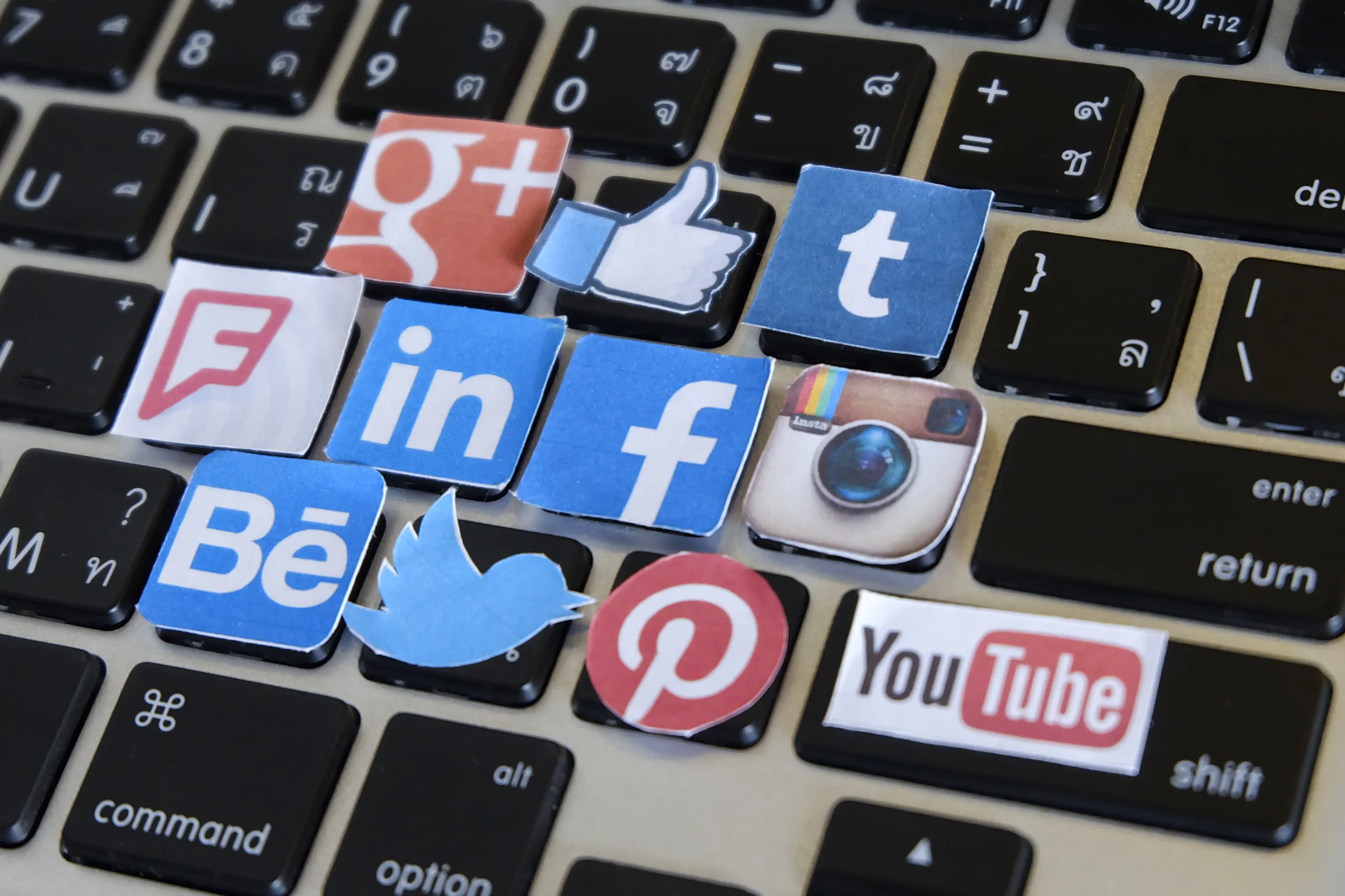
One of the first mistakes is spreading yourself too thin. A small business does not need to be on Facebook, Instagram, TikTok, LinkedIn, X, Pinterest, and YouTube all at once. That approach leads to mediocre content everywhere instead of great content where it matters.
The better strategy is to pick one or two platforms where your target audience actually spends time, and do those well. A restaurant probably gets the most value from Instagram and Facebook. A B2B service company might focus on LinkedIn. A healthcare practice might prioritize Google Business Profile and Facebook. Focus beats volume every time.
Posting Without a Strategy
Having a social media account is not the same as having a social media strategy. Many businesses post randomly, sharing whatever comes to mind on whatever day they happen to think about it. The result is an inconsistent feed with no clear purpose or message.
A basic social media strategy does not need to be complicated. It should define who you are talking to, what topics you will cover, how often you will post, and what action you want people to take. Even a simple content calendar with three posts a week built around themes gives your social media presence more structure and impact than posting on impulse.
Only Talking About Yourself
This is one of the most common and most damaging mistakes. Businesses treat social media like a billboard, posting nothing but promotions, announcements, and sales pitches. But social media is a two-way channel. People follow brands that provide value, entertainment, or connection, not brands that constantly sell.
A good mix might be 80 percent value-driven content and 20 percent promotional. Value can mean tips related to your industry, behind-the-scenes looks at your business, customer stories, educational content, or community involvement. The promotional posts work much harder when they are surrounded by content people actually want to see.
Ignoring Engagement
Social media is not a one-way broadcast. When someone comments on your post, asks a question, or shares your content, that is an opportunity to build a relationship. Businesses that ignore comments, never respond to messages, or fail to engage with their community are leaving value on the table.
The algorithm on most platforms also rewards engagement. Posts that generate comments and conversations get shown to more people. Responding to every comment, even with a simple thank you, signals to both the algorithm and your audience that there is a real person behind the account.
Expecting Instant Results
Social media marketing is a long game. Building a following, earning trust, and converting followers into customers takes time. Businesses that post for a month, see minimal results, and give up are quitting right before the compound effect kicks in.
Organic social media growth is slow. Paid social can accelerate things, but even that works best when layered on top of a consistent organic presence. Set realistic expectations, commit to at least six months of consistent effort, and measure progress based on trends rather than individual post performance.
Not Tracking What Works
If you are not looking at your analytics, you are flying blind. Every social platform provides data on reach, engagement, clicks, and follower growth. That data tells you what content resonates with your audience and what falls flat.
Review your analytics monthly at minimum. Look for patterns. Which types of posts get the most engagement? What time of day performs best? Which topics drive the most clicks to your website? Use that data to refine your strategy over time. Social media gets more effective the more you learn from what you have already done.
At Squeeze Marketing, we help small businesses cut through the noise and build social media strategies that actually drive results. From content creation and scheduling to paid social campaigns and analytics, we handle the work so you can focus on running your business. Visit squeezemarket.com to get started.