

By Squeeze Marketing | Email Marketing, Lead Nurturing, Marketing Automation
Getting someone to visit your website or fill out a contact form is only the beginning. What happens after that first interaction determines whether that lead becomes a paying customer or quietly disappears. For most small businesses, the answer is not much. The lead sits in an inbox, maybe gets a follow-up call, and eventually goes cold. Email automation changes that entirely.
Automated email sequences let you stay in front of potential customers without manually writing and sending every message. You set up the logic once, and the system does the work for you, delivering the right message at the right time based on how someone interacted with your business. It is one of the highest-ROI marketing tools available, and most small businesses are barely scratching the surface.
What Email Automation Actually Means
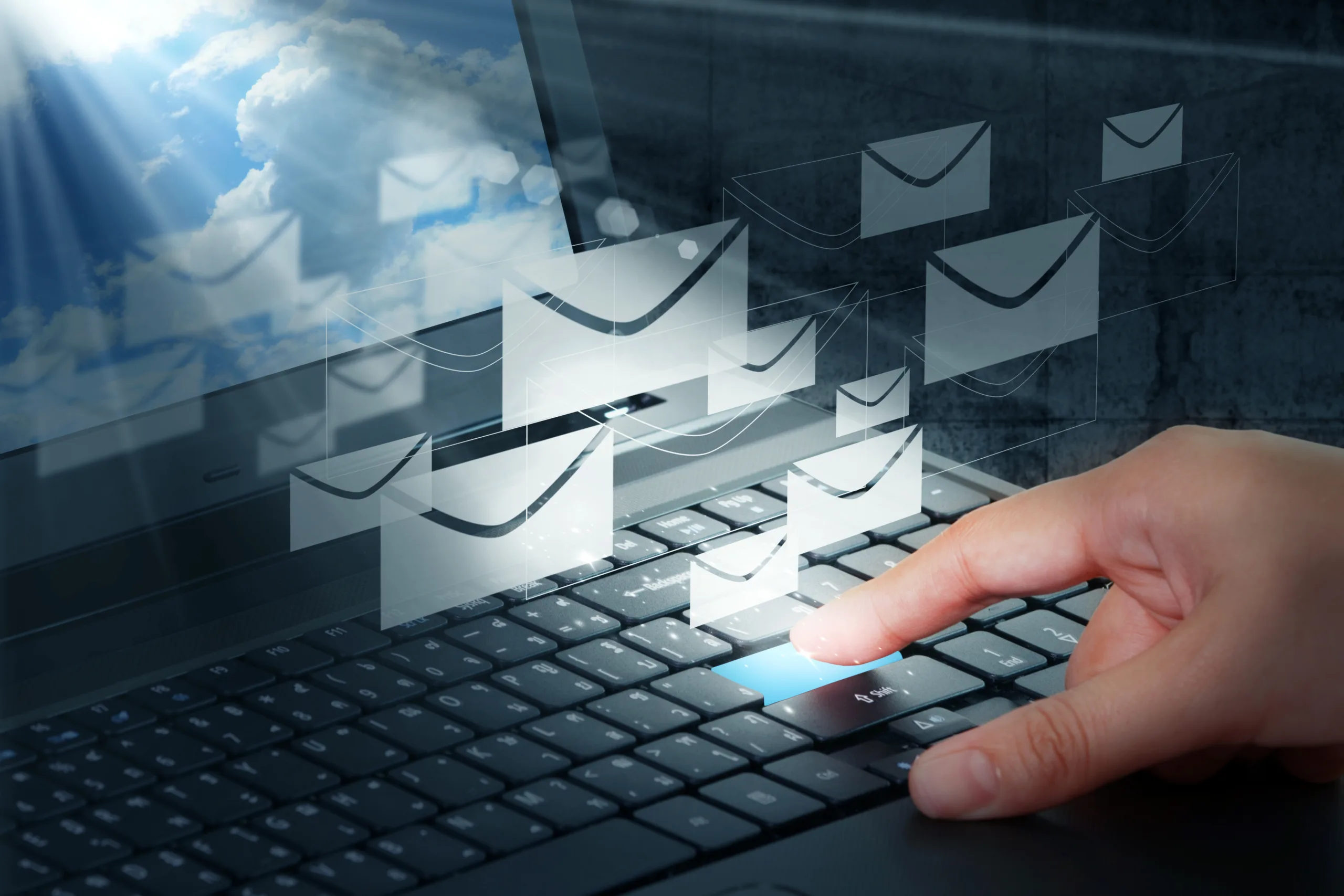
Email automation is the process of sending pre-written emails triggered by specific actions or timelines. When someone downloads a guide from your website, they might receive a welcome email immediately, a follow-up with related content two days later, and a soft pitch for your services on day five. None of that requires you to hit send.
The key distinction is that automation is not the same as sending a mass newsletter to your entire list. Automated emails are targeted, personalized, and triggered by behavior. That makes them significantly more effective than batch-and-blast campaigns. Open rates for automated emails consistently outperform standard marketing emails by a wide margin.
The Welcome Sequence Every Business Needs
The most important automation you can build is a welcome sequence. This is the series of emails someone receives after their first interaction with your business, whether that is signing up for a newsletter, requesting a quote, or downloading a resource.
A strong welcome sequence typically includes three to five emails. The first confirms the action they took and sets expectations. The second provides value, maybe a useful tip or a piece of content related to what they were looking for. The third introduces your business and what makes you different. By the fourth or fifth email, you are making a direct offer or invitation to take the next step.
This sequence builds trust gradually. It gives the lead time to learn about you without feeling pressured, and it keeps your business top of mind during the critical window when they are most engaged.
Segmentation Makes Automation Smarter
Not every lead is the same, and your automation should reflect that. Segmentation means grouping your contacts based on shared characteristics so you can send more relevant messages. A restaurant owner who found you through a Google search has different needs than a healthcare administrator who downloaded your marketing guide.
Most email platforms let you segment by source, industry, behavior, or engagement level. The more specific your segments, the more relevant your emails become. And relevance drives results. People are far more likely to open and act on an email that speaks directly to their situation than one that feels generic.
Common Automations That Drive Results
Beyond the welcome sequence, there are several automations that work well for small businesses. A re-engagement sequence targets contacts who have not opened an email in a while, giving them a reason to come back or cleaning them off your list. An event-based sequence can follow up after a consultation, webinar, or in-person meeting.
For service-based businesses, a nurture sequence that delivers educational content over weeks or months keeps you in front of leads who are not ready to buy yet. Many of the best customers take time to make a decision, and automation ensures you are still there when they are ready.
You can also automate post-purchase or post-service follow-ups. Asking for a review, offering a referral incentive, or simply checking in after a project wraps up strengthens the relationship and generates repeat business.
Choosing the Right Platform
There are dozens of email automation platforms available, ranging from simple tools like Mailchimp and Constant Contact to more robust systems like ActiveCampaign, HubSpot, and Klaviyo. The best choice depends on the complexity of your needs and your budget.
For most small businesses, a mid-tier platform with solid automation builders, basic segmentation, and good reporting is more than enough. The important thing is to start. You do not need the most advanced tool on the market to build a welcome sequence and a follow-up nurture. You just need to set it up and let it run.
Start Simple and Build From There
The biggest mistake businesses make with email automation is trying to build something overly complex before they have the basics in place. Start with one sequence. Build a three-email welcome series, watch the data, and optimize from there. Once that is working, add a re-engagement flow. Then a nurture sequence. Layer by layer, you create a system that moves leads through your pipeline without constant manual effort.
At Squeeze Marketing, we help businesses build email automation systems that actually get used. From strategy and copywriting to platform setup and ongoing optimization, we make sure your emails are working as hard as you are. Visit squeezemarket.com to learn how we can help you turn leads into customers on autopilot.