

By Michael Gasser, Squeeze Marketing
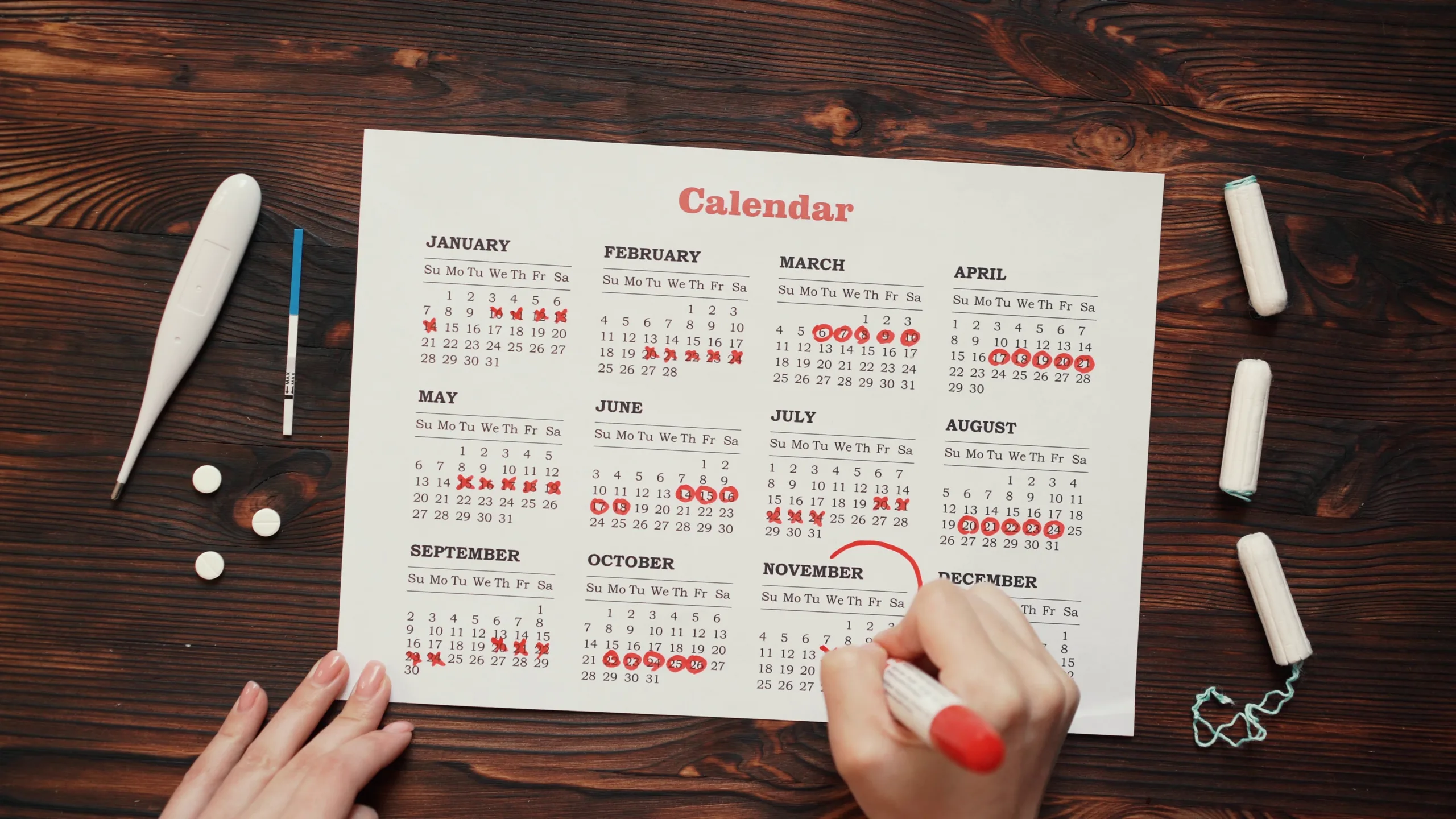
Every marketing plan includes the words content calendar at some point, and almost every small business has tried to build one. Most of them fail within a month. The calendar gets ambitious at the start, then life happens, the posts stop going up, and the whole thing gathers digital dust.
The problem is not a lack of ideas or motivation. It is a lack of a realistic, sustainable system. Here is how to build a content calendar that your team will actually stick with.
Start With Your Business Goals, Not Content Ideas
The most common mistake in content planning is starting with what to post instead of why you are posting. Before you fill in a single date on your calendar, define what you want your content to accomplish. Are you driving website traffic for SEO? Generating leads? Building brand awareness in a new market? Nurturing existing customers?
Your goals determine your content mix, your platforms, and your cadence. A business focused on SEO needs blog content on a regular schedule. A restaurant building local awareness might prioritize Instagram and Google Business Profile posts. Clarity on goals prevents you from creating content for the sake of content.
Choose a Sustainable Cadence
The best content calendar is one you can actually maintain. Posting three times per week on every platform sounds impressive, but if you cannot sustain it, you are setting yourself up for failure. It is far better to post twice a week consistently than to post daily for two weeks and then go silent for a month.
Be honest about your resources. If you have one person handling all of your marketing, a realistic cadence might be two blog posts per month, three social posts per week, and one email newsletter per month. Start there, build the habit, and scale up when you are ready.
Batch Your Content Creation
Creating content one piece at a time is the least efficient approach. Instead, batch your content creation into dedicated sessions. Set aside one day per month to plan and write all of your blog posts for the month. Shoot a batch of photos and videos for social media in one session. Draft your email newsletters in advance.
Batching saves time, improves quality, and ensures your calendar stays full even during busy weeks. It also creates a buffer so that one bad week does not derail your entire content strategy.
Build in Flexibility
A rigid content calendar will break the first time something unexpected happens, which is to say, immediately. Build in flexibility by planning your core content, the blog posts, evergreen social posts, and email campaigns, in advance, while leaving room for timely, reactive content.
Current events, trending topics, customer questions, and seasonal opportunities should all have a place in your calendar. The best content strategies combine planned, strategic content with spontaneous, timely content that keeps your brand relevant and responsive.
Use a Tool That Works for Your Team
A content calendar that lives in a spreadsheet nobody opens is worthless. Choose a tool that fits your team’s workflow. For small teams, a shared Google Sheet or a simple project management tool like Trello or Asana works well. Larger teams might benefit from dedicated content planning platforms.
The specific tool matters less than the habit of using it. Pick something simple, make it part of your weekly routine, and the consistency will follow.
The Bottom Line
A content calendar is not a wish list. It is an operational tool that keeps your marketing consistent and strategic. By starting with clear goals, choosing a realistic cadence, batching your creation, and building in flexibility, you create a system that survives contact with real life.
Squeeze Marketing helps businesses build content strategies that are both ambitious and sustainable. If you need help planning or creating content that drives real results, visit squeezemarket.com.